Buying a home can feel overwhelming, especially if you are a veteran, active-duty service member, or military family trying to understand your financing options and the local housing market. This step-by-step homebuying guide is designed for veterans and service members buying a home in Rockford and throughout Winnebago County, Illinois. We’ll walk through the process from setting a comfortable budget and getting pre-approved to making an offer, completing inspections, and closing on your new home. As a veteran and local real estate agent, I understand both the VA home loan process and the challenges buyers can face in a fast-moving market. The goal is simple: help you understand each step so you can make confident decisions along the way.
Step 1: Determine Your Budget and Get Pre-Approved
Start With the Monthly Payment: Before looking at homes, get a clear picture of what you can comfortably afford each month. Review your income, savings, existing debts, and regular expenses, then consider the full cost of homeownership, including your mortgage payment, property taxes, homeowners insurance, and any HOA fees. If you’re eligible for a VA home loan, you may be able to purchase a home with 0% down and no private mortgage insurance (PMI), which can significantly reduce the upfront cost of buying. Keep in mind that zero down does not always mean zero out-of-pocket costs, so it’s still important to plan for expenses such as inspections, closing costs, and prepaid taxes or insurance.

Next, get pre-approved for a mortgage before you start seriously house hunting. Look for a VA-experienced lender who understands how VA loans work and how different types of military or veteran income may be documented. The lender will review your credit, income, debts, and overall finances to determine what you may qualify for. The VA itself does not set a minimum credit score, although individual lenders may have their own requirements. Your lender can also help obtain your Certificate of Eligibility (COE) to confirm your VA loan eligibility. Once you’re pre-approved, you’ll have a clearer price range and a pre-approval letter to include with an offer.
Why this step matters: In a fast-moving market like Rockford and Winnebago County, being pre-approved can make your offer stronger because the seller can see that a lender has already reviewed your finances and you are prepared to move forward.
Pre-approval also helps keep your home search realistic. Instead of falling in love with a home that may be outside your budget, you can focus on properties that fit both your financing and the monthly payment you are comfortable carrying.
Step 2: Find a Veteran-Friendly Realtor® and Start the Home Search
Build the Right Team: Buying a home is easier when you work with a Realtor who understands both the local market and the VA loan process. A veteran-friendly Realtor in Winnebago County can help you identify homes that fit your budget, lifestyle, and long-term plans while avoiding issues that could complicate a VA purchase. We’ll talk through what matters most to you, including commute time, school districts, property taxes, accessibility, neighborhood preferences, and whether you may sell again in a few years. As a veteran myself, I understand that every buyer’s situation is different, and the goal is to find a home that works for both your needs today and your plans for the future.
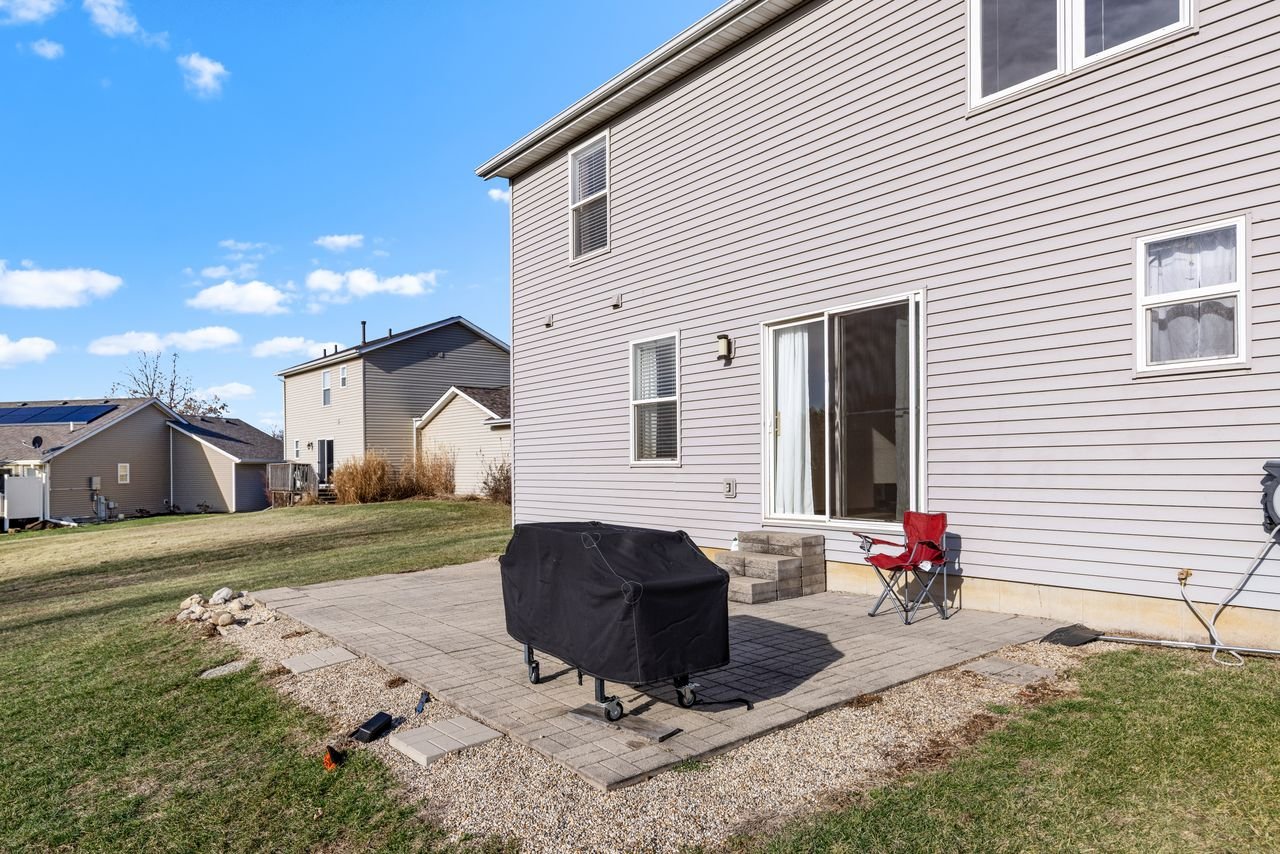
House Hunting: Once we know your budget and priorities, we can start looking at homes that fit your needs. I’ll help you compare properties based on price, location, size, property taxes, condition, and overall monthly cost. When touring homes, I’ll also watch for issues that could create problems with a VA appraisal, such as certain safety hazards, damaged exterior surfaces, or other property-condition concerns. If accessibility matters to you or someone in your household, we can also prioritize features such as one-level living, a first-floor bedroom, wider entryways, or fewer stairs. The goal is not just to find a house you like, but to find one that fits your budget, lifestyle, and long-term plans.
We’ll likely look at several homes before finding the right fit, so don’t hesitate to speak up about what you like and dislike. That feedback helps narrow the search and makes each showing more productive. If you’re deployed, relocating, or currently living outside the Rockford area, I can also provide virtual home showings by video call so you can get a closer look at a property without being there in person. This can be especially helpful in a fast-moving market where waiting to see a home in person could mean missing the opportunity.
Step 3: Make an Offer and Negotiate with Confidence
Engage the Target: Once we find the right home, I’ll review recent comparable sales, current market conditions, and the property itself to help you decide on a reasonable offer price. If you’re using a VA loan, that does not automatically make your offer less competitive. A strong pre-approval, experienced lender, and well-structured offer can help show the seller that you are prepared to move forward. I’ll also communicate with the listing agent when needed to explain the financing clearly and address any questions about the VA loan process. The goal is to put together an offer that protects your interests while still being competitive in the Rockford and Winnebago County market.
Earnest Money & Contingencies: When you make an offer, you may include an earnest money deposit to show the seller you’re serious about purchasing the home. The amount can vary depending on the property and terms of the offer. We’ll also discuss appropriate contingencies, such as financing and home inspection protections. VA purchase contracts also include a VA escape clause, which protects you if the VA-established value comes in below the purchase price. In that situation, you can negotiate a lower price, choose to cover the difference yourself, or walk away without forfeiting your earnest money because of the appraisal shortfall.
Negotiating Closing Costs: Depending on the home and market conditions, we may also ask the seller to help with some of your closing costs. VA rules allow sellers to provide credits toward certain closing costs, while specific seller concessions are generally limited to 4% of the home's VA-established reasonable value. Whether requesting seller assistance makes sense will depend on the strength of your offer and how competitive the property is. In a multiple-offer situation, we may decide that fewer requests give you a stronger position.
I’ll present your offer clearly and communicate directly with the listing agent when needed. That includes explaining your VA financing, pre-approval, proposed timeline, and offer terms so the seller understands exactly what you are bringing to the table. My job is to help you build a competitive offer while making sure you understand the price, contingencies, and financial commitments before you sign.
My job is to get that offer accepted at the best terms possible for you. Once we reach an agreement with the seller, boom – you’re Under Contract!
Step 4: Home Inspections and Due Diligence
Inspect Before You Commit: Even if a home looks great during a showing, a professional home inspection can uncover problems that are not easy to see. The inspector will typically evaluate major components such as the roof, HVAC system, electrical, plumbing, foundation, and other parts of the home. You’ll receive a report explaining what was found, from routine maintenance items to potentially expensive repairs. A home inspection is separate from the VA appraisal and gives you a much more detailed look at the property’s condition before moving forward.
We’ll review the inspection report together and determine whether any findings need additional attention. Depending on the terms of your contract and the severity of the problem, we may ask the seller to make repairs, provide an appropriate credit, or negotiate another solution. Issues involving health, safety, or the basic condition of the property may also become important during the VA appraisal process. The goal is to understand what you’re buying and address major concerns before you reach closing.
While the inspection process is underway, your lender will continue processing your loan and preparing for the VA appraisal. You may receive additional documents or requests for information during this stage, so responding quickly can help keep the transaction moving. If you’re purchasing a condo or a home within an HOA, we’ll also review the applicable documents and confirm any VA requirements, including whether a condominium project needs VA approval.
Step 5: VA Appraisal and Final Loan Approval
Once you’re under contract, your lender will order a VA appraisal. A VA-approved appraiser will provide an opinion of the home’s market value and determine whether the property meets the VA’s Minimum Property Requirements (MPRs). If the appraiser believes the value may come in below the purchase price, the VA’s Tidewater process can provide an opportunity to submit additional comparable sales or other market data before the appraisal is finalized. If the final value is still below the purchase price, we can discuss your options, which may include negotiating a lower price with the seller, paying some or all of the difference, or choosing not to move forward under the protections in your contract.
Meanwhile, your loan will move through underwriting. During this stage, the lender verifies your income, employment, assets, debts, credit, and other information needed for final approval. They may request updated bank statements, explanations, or additional documentation, especially if your employment or military income is changing. Try to avoid opening new credit accounts, financing large purchases, or making major financial changes before closing, and respond quickly to lender requests to help prevent delays.
Before closing, your lender must provide a Closing Disclosure showing the final loan terms, closing costs, and estimated monthly payment. You should receive this document at least three business days before closing, giving you time to review the numbers and ask questions. I’ll also stay in contact with the lender and title company, confirm that any agreed-upon repairs have been addressed, and help make sure everything is ready for closing day.
Step 6: Closing and Moving In
Closing Day: Before closing, we’ll complete a final walk-through of the home to make sure it is in the agreed-upon condition and that any required repairs have been completed. Your lender and title company will tell you exactly what to bring, which will typically include a government-issued ID and any funds needed for closing. If money is being wired, always verify the wiring instructions directly with the title company before sending anything.
At closing, you’ll sign the final loan and title documents needed to complete the purchase. If you’re using a VA loan, you may also pay a VA funding fee unless you qualify for an exemption. For a purchase loan with less than 5% down, the current funding fee is 2.15% for first use and 3.3% for subsequent use. The rate drops with a down payment of at least 5%. Veterans receiving qualifying VA disability compensation and certain other borrowers are exempt, including qualifying active-duty Purple Heart recipients. If you are required to pay the fee, it can usually be financed into the loan instead of being paid entirely out of pocket at closing.
Once the documents are signed and the transaction is completed, you’ll receive the keys and officially become the new homeowner. From there, it’s time to move in, set up utilities, update your address, and start settling into your new home in Rockford or elsewhere in Winnebago County.
Step 7: (Post-Move) Leverage Your Resources
After closing, there are still a few important things to take care of. Make sure you apply for any Illinois property tax exemptions you may qualify for, including the Standard Homestead Exemption for Veterans with Disabilities. Veterans with a qualifying service-connected disability may receive a reduction in their home's equalized assessed value, and those rated 70% or higher may qualify for an exemption on the first $250,000 of EAV. These benefits generally require an application through the local assessment office, so don’t assume they will be applied automatically.
You should also update your address, set up utilities, and keep important closing and loan documents somewhere safe. Winnebago County also has veteran organizations and community resources that can help you connect with other local veterans after your move. And remember, the VA home loan benefit is reusable. Depending on your remaining entitlement and whether a previous VA loan has been paid off or your entitlement restored, you may be able to use the benefit again for a future home purchase.
Buying a home can feel complicated, but it becomes much easier when you understand each step and have the right people helping you along the way. If you’re a veteran, active-duty service member, or military family looking to buy a home in Rockford or Winnebago County, I’m here to help you understand your options, find the right property, and navigate the process from your first home search through closing.

Contact me for a free homebuyer consultation. I’ll personally walk you through each step, answer any questions, and even give you a “Homebuyer 101” packet that outlines these steps and local contacts. Your service has given you the opportunity to own a home with benefits others can only dream of – let’s seize that opportunity for you and your family.